
THE PEOPLE
The People of South Sudan
The Republic of South Sudan is a remarkably diverse nation, home to approximately 64 distinct tribes or ethnic groups. These groups often share common cultural traits and languages, and the population primarily practices Christianity, Islam, and Traditional African religions.
To make sense of South Sudan’s population, it helps to look at its major ethnic groups, how they are categorized, and the languages they speak.
The Major Ethnic Groups
While there are dozens of tribes, the vast majority of the population belongs to a few key groups:
- The Dinka: The largest ethnic group, making up about 40% (two-fifths) of the country’s population.
- The Nuer: The second-largest group, accounting for about 20% (one-fifth) of the population.
- Other Significant Groups: These include the Zande (also called Azande), the Bari, the Shilluk, and the Anyuak (Anuak).
Cultural and Language Families
Broadly speaking, the people of South Sudan can be grouped into three main categories based on their shared heritage and language roots:
- Nilo-Sudanic Tribes: This is the dominant category in South Sudan. It includes the country’s largest tribes—the Dinka and the Nuer—as well as the Shilluk.
- Nilo-Hamitic Tribes: This grouping encompasses communities like the Zande (Azande) and the Balanda.
- Bantu: The Bantu people represent the second major language family in South Sudan, most closely associated with the Ubangian language group.
Languages of South Sudan
Because there are so many distinct tribes, the linguistic landscape of South Sudan is incredibly rich.
Native Languages
- Nilotic Languages: The largest linguistic group is the Nilotes, who speak languages belonging to the Nilo-Saharan language family. This includes the Dinka, Nuer, Shilluk, Bari, and Anyuak tribes.
- Niger-Congo Languages: Smaller ethnic groups, like the Zande, speak languages from a completely different family (the Adamawa-Ubangi branch of the Niger-Congo languages).
- Arabic: A small Arab population, as well as the Juba people (primarily located in the Northern and Western Bahr el Ghazal states), speak Arabic.
Official and Government Languages
- English: Today, English is the undisputed official language. The 2011 transitional constitution made English the official working language for all government affairs and the primary language of instruction in all schools. Even before independence, English had been recognized as the principal language of the region since 1972.
- Historical Context: Prior to independence, under the 2005 interim constitution, both Arabic and English were recognized as official working languages, but the country has since shifted away from Arabic in official capacities.
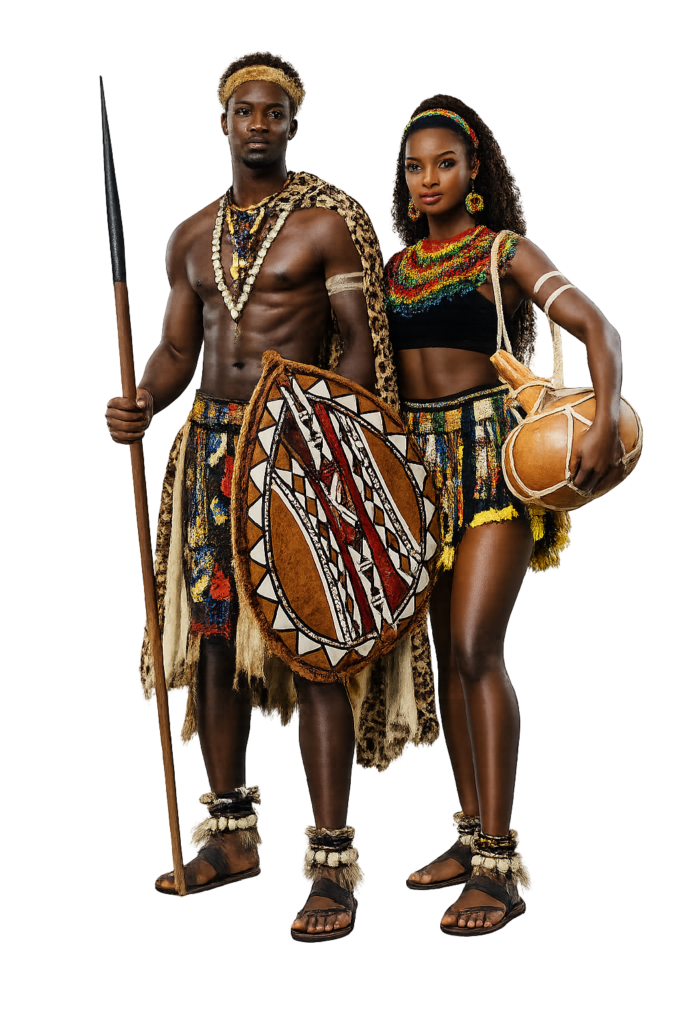
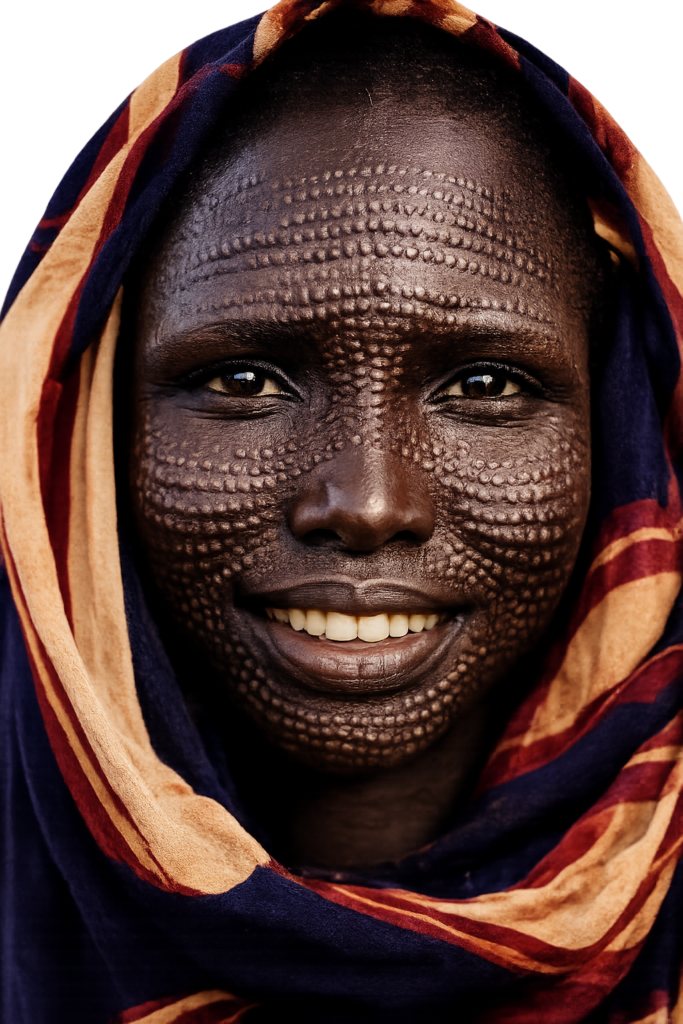
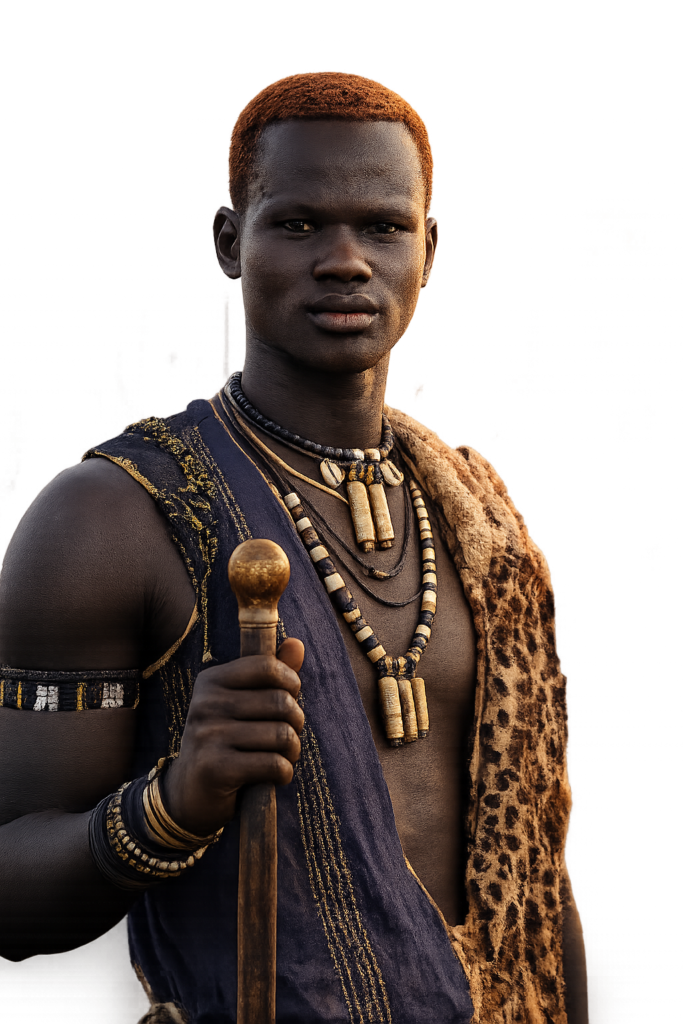
The list of the 64 people (tribes) of South Sudan
A
- Acholi
- Aja
- Anuak (Anyuak/Anyuaa)
- Atuot (Reel/Apaak)
- Avukaya
B
- Bai
- Baka
- Balanda-Boor
- Balanda-Bviri
- Banda
- Bari
- Binga
- Bongo
- Boya (Larim)
- Burun (Maban)
.
D
- Didinga
- Dinka (Jieeng/Monyjang)
- Dongotono
G
- Gollo
I
- Ifoto
- Imatong
- Indri
J
- Jie (Jiye)
- Jur Beli
- Jur Mananger
K
- Kachipo (Suri)
- Kakwa
- Kaligi (Feroghe)
- Keliko
- Ketebo
- Kerish (GBaya)
- Kuku
L
- Lango
- Lokoya
- Logir
- Lopit
- Lotuko (Otuho)
- Lugbara
- Luo (Jurchol)
- Lulubo
M
- Madi
- Makaraka (Adio)
- Mangayat
- Mundari
- Mundu
- Murle
- Morokodo
- Moru
N
- Naath (Nuer)
- Ndogo
- Ngulengule
- Nyangatom
- Nyangwara
- Nyamusa (Nyamusa-Mollo)
P
- Pari (Jo-Pari)
- Pojulu
S
- Sere
- Shilluk (Chollo)
T
- Tennet
- Thuri (Shatt)
- Toposa
U
- Uduk
Y
- Yulu
Z
- Zande (Azande)